What New Apps Are Sean Using These Days?


Someone asked me about new apps I find myself using these days. Figured it would be worth a blog post to post my answer.

So here is a list of newer apps I find my self using on a semi daily basis, that are also new. I have omitted apps I have been using for years now.

Fancyhttp://itunes.apple.com/us/app/fancy/id407324335?mt=8

A new take on Pinterest where yo can buy what you fancy


Lyft
http://itunes.apple.com/us/app/lyft-on-demand-ridesharing/id529379082?mt=8

Car sharing rides by crowd source


Pocket
http://itunes.apple.com/us/app/pocket-formerly-read-it-later/id309601447?mt=8

Save your websites to a list on your phone for reading later

Digghttp://itunes.apple.com/us/app/digg/id362872995?mt=8

After Digg got bought and revamped their App and content seems worth using again and has a second life forming.

LoseIthttp://itunes.apple.com/us/app/lose-it!/id297368629?mt=8

A calorie counter that does a great job with bar code scanning and daily and weekly budgets for your food tracking. Use it daiy.

Other notables:

InstaCart: http://itunes.apple.com/us/app/instacart/id545599256?mt=8

A friend started this one very recently. They are doing food deliveries in under an hour based on food purchased through app.

Seamlesshttp://itunes.apple.com/us/app/seamless-food-delivery-takeout/id381840917?mt=8

This is the only app I buy delivery though

TripIthttp://itunes.apple.com/us/app/tripit-travel-organizer-free/id311035142?mt=8

Love the updates and info on all my upcoming flights. It gets populated through email receipts of my flight purchases.

Of course this excludes many more apps I use allot like Taxi Magic, Uber, Evernote, Mint, E*trade, Spotify, Bank Of America, Facebook, Twitter, Yelp, etc etc
Here are some screenshots of my homescreens. Figured sharing them would be cool. Post feedback or share your own below:

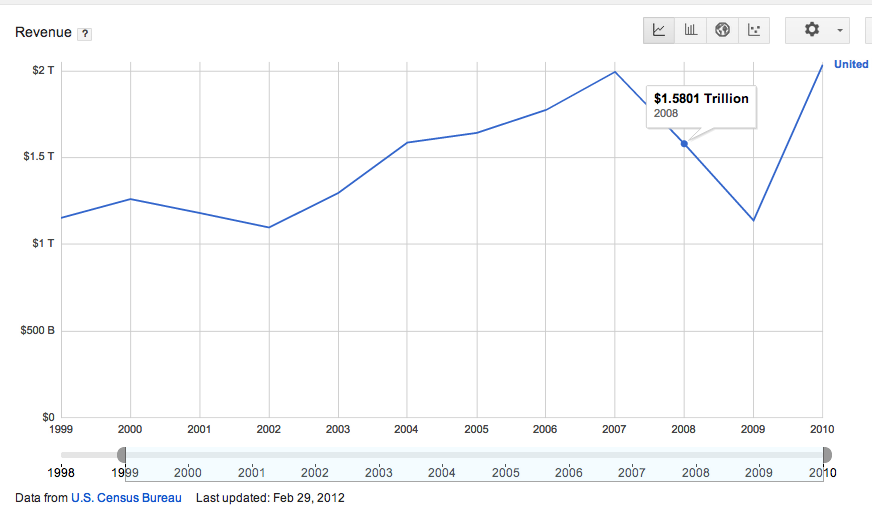
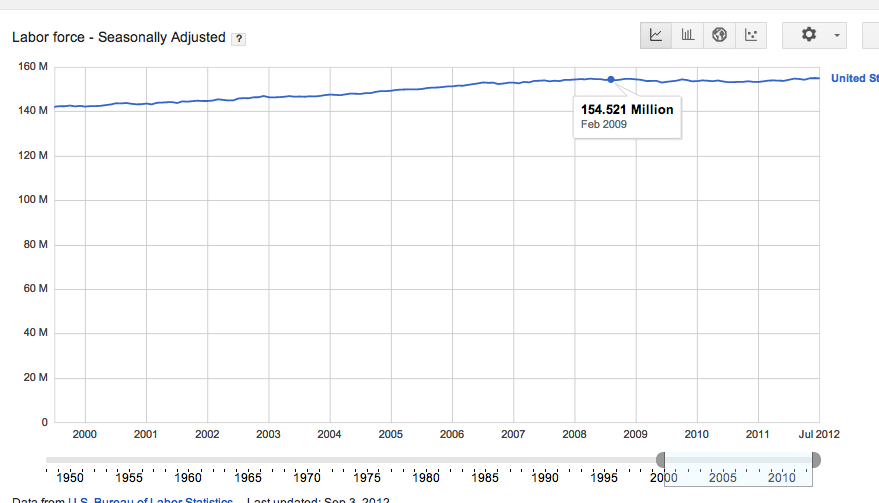
Not the Facts Just the Data: More Google Census Data

I am posting some updates to census stats since, as I said before, the data is there, it’s public and people should be exposed to it without ads or “interpretations” in the middle.

So, here you go:


Feedback: The Greatest Movie Evert sold

I just saw Morgan Spurlocks “The Greatest Movie Ever  Sold”

The tight contracts, partner rejections, pitch meetings, cold calls, partnership management, moments of loss of control, brand push back, product placement challenges, and managing the selling of ones sole is depicted with more real reality in this movie than all reality shows on TV today.

I wanted to post this as a blog because I wanted to get your take on it. I feel that Morgan has yet again done a public service by exposing a hidden world in a creative and digestible way.

Here is a wiki on it

http://en.wikipedia.org/wiki/POM_Wonderful_Presents:_The_Greatest_Movie_Ever_Sold Check it out. For those that don’t know it actually is a pretty transparent view of what raising money, pitching ideas, and getting rejected really feels like. (As apposed to the faux “reality” TV shows trying to recreate reality)

Rotten tomatoes 73% fresh

http://www.rottentomatoes.com/m/pom_wonderful_presents_the_greatest_movie_ever_sold/

IMDB

http://www.imdb.com/title/tt1743720/

Efficiently Inefficient: Processes that can improve quality and quantity of life

For our latest project at Socialize Isaac and I are going to increase the release cycle even further and go from a few releases per group per week, to a few releases per day. I find moving more efficiently and quickly over the years always takes a few non-intuitive jarring mental steps. (If they didn’t we would have been way more efficient as a society way earlier on in history).

Here are a couple things that always seem to be the foundation of inching your way up the efficiency hill.

1) Get to a point at which you truly trust your results, not just feel good or secure about them, but quantitative based results that have a quantitative “I trust this” number. This is what I call the “don’t look over your shoulder moment”, because if you’re looking over your shoulder to make sure nothing has gone wrong, you are not looking forward to make sure new things go right. This accomplished with unit/itests tests, or in our everyday lives marking your calendar or adding a reminder. Even at managing people in the office, time and time again setting up employees to be trusted and autonomous, with a simple audit system to make you aware only if something is wrong, has proven time and time again to produce happier, more creative, more productive employees in a company that can scale. Basically every one wins big when you make sure you create process that handles things that are set to let you know if you need to take action, and quite %100 otherwise.

2) Really reconsider what you’re are willing to bare in mistakes. This is usually a major brain switch moment. Sometimes people can work 100x more efficiently and productively if they just allow themselves to be wrong for a totally fixable 1 minute per year. Yes your server may go down once a year, but instead of working hard to make sure that never happens (which is impossible), work hard to make sure systems are in place to recover super quickly. The funny thing is when you accomplish #1 above, mixed with this #2 item, you start performing better than you could have imagined.

3) Remove process that is there to support the more intuitive faux “warm and fuzzy” feelings that keep 1 and 2 from happening.

4) Always push yourself, and those around you, to test process that offer efficiency gains even if you don’t feel comfortable at first. Comfort is often the foundation of slowness, and trying new things even against your “better judgement” are the only ways to break free.


For you nerds out there, here is the article from github Isaac passed on to me that sparked our latest evolution in product releases. Although this post and its sentiment are, in my book, universal throughout life and business and not code.

http://scottchacon.com/2011/08/31/github-flow.html