
– Stéphane Mallarmé,
Month: July 2025
Start Coding from Your Phone for $15/mo
Last week I updated some functionality in my repo’s codebase, with my iPhone, while drinking beer, in the jacuzzi. It was glorious. With a simple-to-setup environment you can code from anywhere and keep your AI on track—whether you’re walking your dog or using the bathroom.
Here’s how:
Step 1: Set Up a VPN with Meshnet on your Laptop and Phone
Not only is having a Virtual Private Network running on your devices good practice for privacy and security, but NordVPN comes with a free Meshnet feature. Meshnet lets your devices securely talk to each other from anywhere in the world—no complex setup, no extra cost.
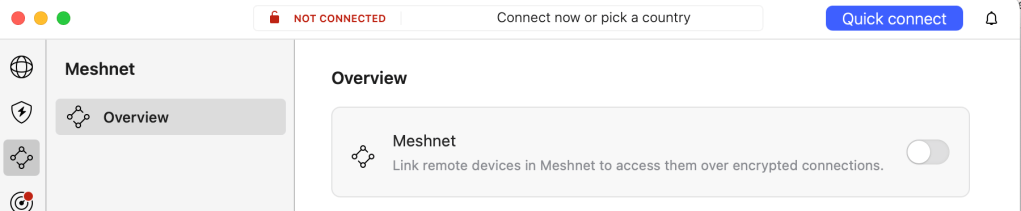
To get started, turn on Meshnet on your laptop or desktop.
Step 2: Install a Remote Desktop App
Download a remote desktop app that lets you connect to a specific IP or device. I use Screens (a one-time $3.99 purchase – https://apps.apple.com/us/app/screens-5-vnc-remote-desktop/id1663047912). It’s been the most reliable one I’ve used so far. I tried a few free options first, but the $4 was well worth it. It works with multiple screens—I have 4 monitors on my office setup and all display perfectly in Screens.
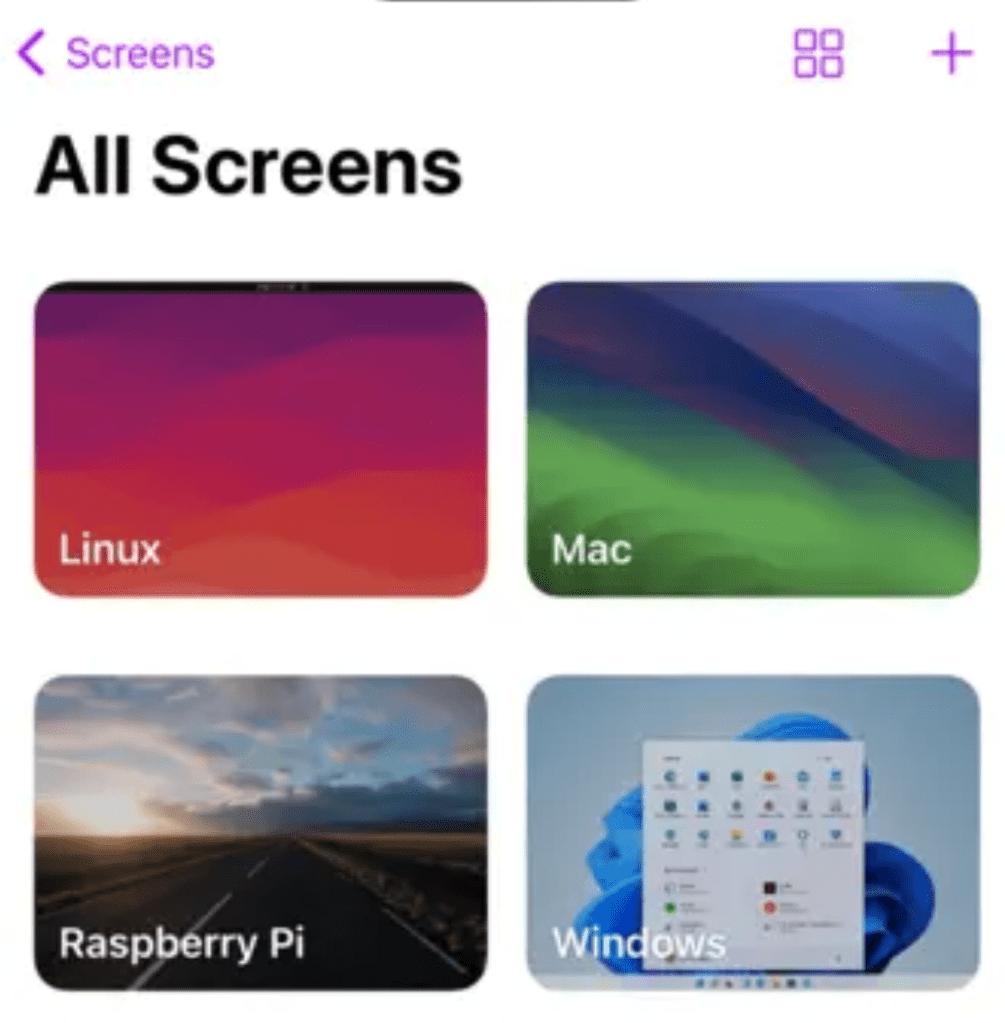
Once connected, I can launch my code editor, type my objective, and guide the AI, all from my phone. I occasionally have to click “accept” or “continue,” but I rarely need to go back to my computer.
Being able to multitask at my desk has been amazing, but making real progress while living my life away from the desk is game-changing.

Building with AI Is Easy. Choosing What to Build Is Not.
AI Rewards the Bold: Pick Something and Go.
In this new technological era, the decisive and action-oriented will shed the chaff.
Company-building, product creation, even personal capability. None of it is constrained like it used to be. AI has shattered the old limitations. You can build more, faster, and cheaper than ever before. But that’s not the hard part. It never really was.
The real challenge, now more than ever, is deciding what to build.
Decision-making (and actually acting on it) has always been the backbone of entrepreneurship. But compared to what’s coming, the past was a cakewalk. As access to capabilities explodes, the cost of distraction skyrockets. Shiny object syndrome isn’t a cute founder flaw anymore, it’s a startup killer.
The paradox of progress is this: the easier it becomes to build anything, the harder it becomes to choose one thing.
This is where AI breaks the old rules. In the corporate world, bureaucracy thrives on optionality, doing many things slowly, debating endlessly over direction. Startups win because they choose something, even if it’s wrong, and go all in. Most successful companies didn’t choose perfectly; they chose decisively and refined through motion.
Now, with AI supercharging optionality, even sharp founders are getting stuck in the freeze. When I talk to peers, more and more of them say: “I’m still figuring it out.” But it’s not hesitation out of fear, it’s hesitation out of abundance. The question has shifted from What am I capable of? to What should I focus on? It’s sort of like dating apps. With infinite choice, settling down feels harder. Possibility becomes paralysis to commit.
In the AI era, execution still matters, but conviction matters more. The ability to choose early, clearly, and with intent will be the new differentiator.
You don’t need to do everything. You need to do something deeply, consistently, and unapologetically. You don’t have to predict the future. You just have to take the first few steps toward it—with your whole weight behind the decision.
“Life can be so much broader, once you discover one simple fact, and that is that everything around you that you call ‘life’ was made up by people who were no smarter than you. And you can change it, you can influence it, you can build your own things that other people can use.”
– Steve Jobs
 Sean Shadmand