
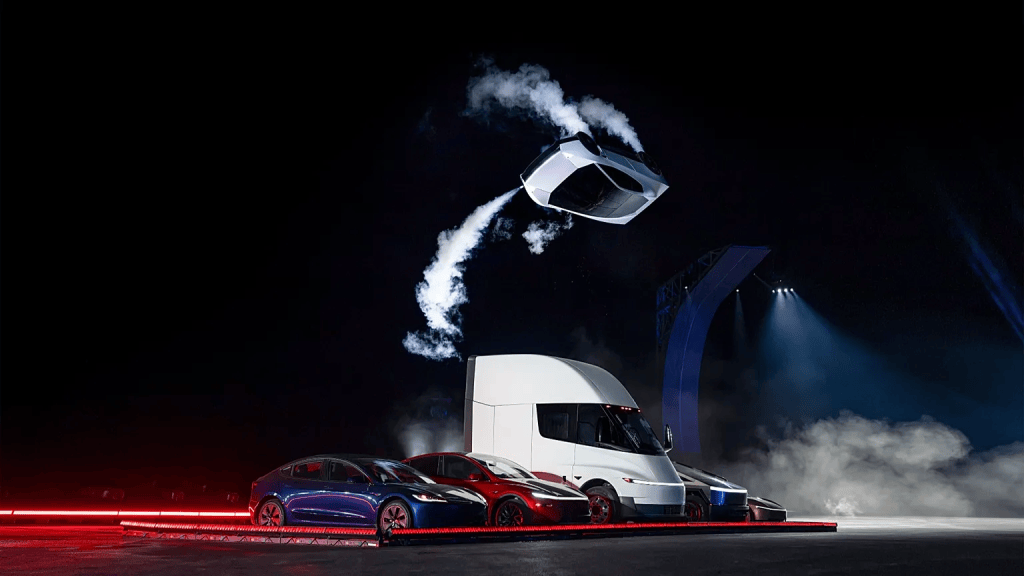
Tesla shows off a Roadster that can lift itself into the air, and somewhere an aspiring entrepreneur thinks “I need to invent something even more spectacular to be successful”. I admire the ambition and showmanship. I worry about the lesson people take from it.
The ingredients have histories of their own. The Chaparral 2J used fans to generate suction and grip decades before this Roadster demo. SpaceX developed reusable rockets, tackling the engineering challenges of bringing boosters back to land. These are different applications, but they put the spectacle in context: suction, thrust, and controlled landings each have substantial work behind them.
The same pattern extends to autonomous driving. In 2004, DARPA’s Grand Challenge pushed teams to build vehicles that could navigate a desert course themselves. None finished. Government-backed experimentation helped advance technology that would later find commercial applications. Turning those advances into reliable products required substantial additional engineering and development.
Watch a Tesla demo and you see one company’s vision. Look behind it and you find a much longer history of inventions, experiments, and accumulated knowledge.
Spectacular demos compress that history into a single moment. It looks like someone invented the future from scratch. The aspiring founder walks away thinking that’s the assignment.
What gets lost is the distinction between inventing a technology and combining existing technologies into something extraordinary. Both create value. But they require different amounts of time, money, and patience.
Building on existing work doesn’t diminish what a founder accomplishes. The opportunity is knowing which pieces are ready, which solve problems people care about, and how bringing them together can create something more useful.
When your money, time, and attention are limited, every additional breakthrough your business depends on is another uncertainty you have to fund and resolve. You can spread yourself across so many invention problems that you never get to solve the customer’s problem.
I talk a lot about focus. This is one of its most consequential applications. My advice: choose where you actually need to invent, and limit it to one thing at most.
Which part of your product requires something new? Which parts can use something that already works? Where will the difference matter enough for someone to pay?
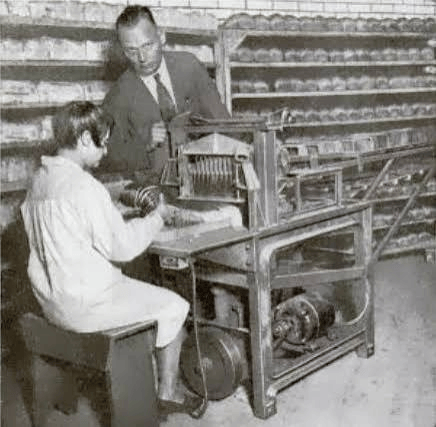
Bread and knives existed long before Otto Rohwedder’s machine made commercially sliced loaves possible in 1928. That machine took real invention and persistence. He focused that effort on a specific problem without having to reinvent everything around it.
You don’t have to invent bread and the knife to create the next sliced bread.

