
Mastery begins when you understand why the rules exist, and when they no longer apply.
There is a moment in learning almost anything when the rules that helped you become competent start getting in your way.
But fighting doesn’t happen inside a doctrine. It happens between two human beings, in circumstances that cannot be entirely anticipated.
In this interview, Bruce Lee discusses how martial arts develop styles, doctrines, and prescribed ways of fighting. Eventually, the doctrine becomes more important than the purpose it was created to serve.
Lee’s philosophy was to move beyond rigid styles and respond naturally to the situation in front of you.
That idea extends far beyond martial arts.
When knowledge becomes a constraint
When we’re inexperienced, rules are incredibly useful. They compress someone else’s experience into something we can follow. A designer learns composition. A musician learns scales. A programmer learns patterns. A manager learns frameworks.
This is how expertise begins.
But there’s a subtle failure mode. We can become so good at following the rules that we forget why they existed in the first place.
A technique is supposed to solve a problem. Eventually, we start treating the technique itself as the solution.
This is particularly obvious in art.
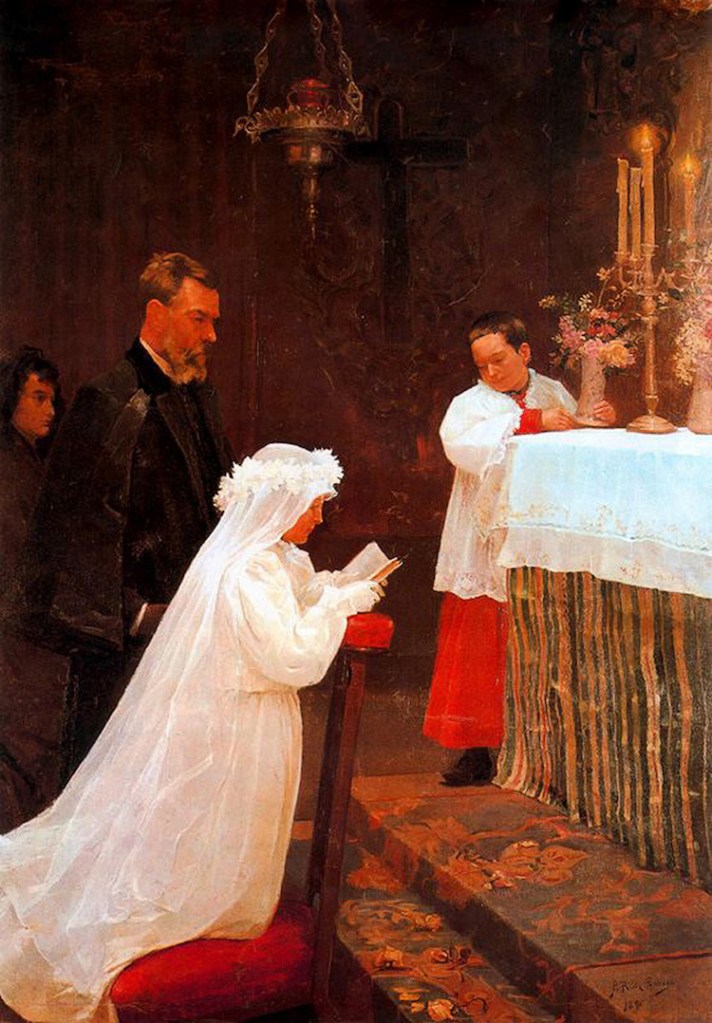
Picasso was an accomplished traditional painter before helping pioneer Cubism. Jackson Pollock studied traditional drawing and painting before developing his famous drip technique. Their departures from convention were informed by an understanding of the conventions themselves.
The distinction matters. Breaking a rule because you don’t understand it is quite different from breaking it because you understand its limitations.
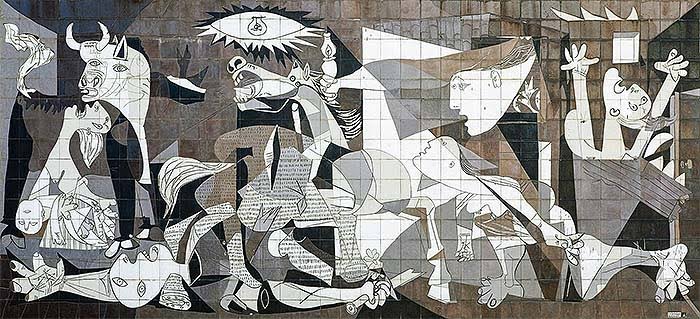
Great artists aren’t necessarily rejecting what they’ve learned. They’re exercising the freedom that comes from having learned it deeply.
The difference between someone who can reproduce a technique and someone who has mastered a craft is often the judgment to know when the technique no longer applies.
The problem with best practices
You see the opposite in workplaces all the time.
Someone learns a management technique, a product framework, a sales methodology, or an engineering practice. It worked somewhere, so they implement it exactly as they were taught.
Then reality gets involved.
The customer is different. The team has different capabilities. The constraints have changed. Yet instead of adapting the technique, we often blame the people for failing to execute it correctly.
We’ve confused adherence to a process with the purpose of the process.
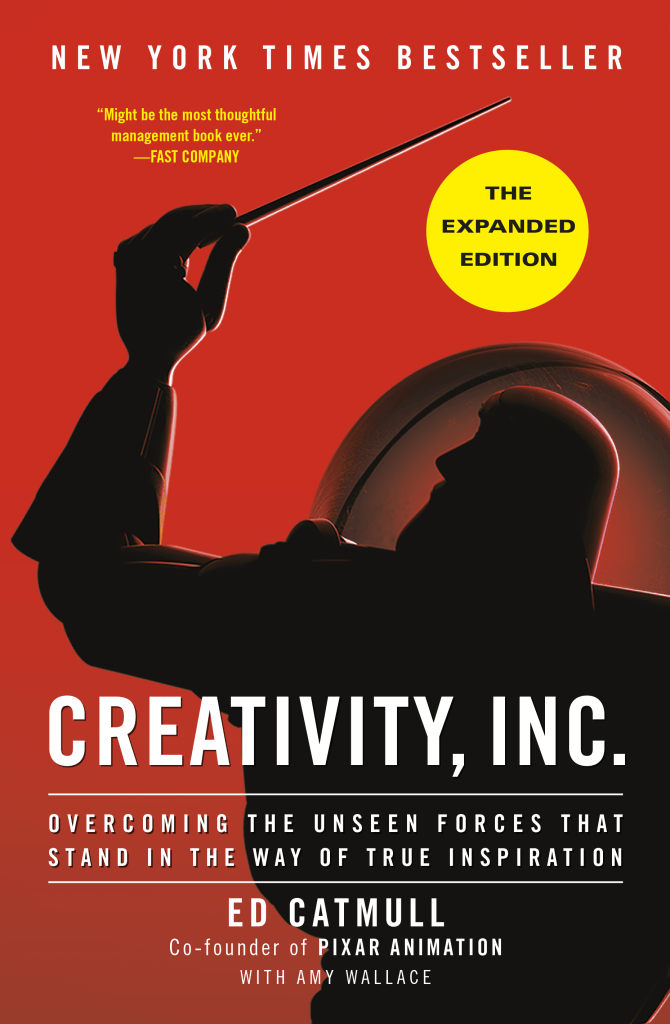
Ed Catmull explores a similar problem in Creativity, Inc., describing how Pixar developed processes to support creativity while recognizing that no process could guarantee a successful film.
The process was there to help people exercise their judgment, not replace it.
That’s a distinction many organizations struggle to maintain. A successful practice becomes a best practice. Best practices become policies. Eventually, people are rewarded for following procedures rather than producing the outcomes those procedures were designed to achieve.
Ironically, the very practices that once helped an organization succeed can become obstacles to its progress.
The freedom of understanding
There’s a philosophical dimension to this as well.
Nietzsche challenged the tendency to inherit established values and conventions without examining their origins or legitimacy. His philosophy encouraged individuals to question received assumptions and develop their own understanding rather than simply accepting what tradition prescribed.
This doesn’t mean that established knowledge is worthless. Quite the opposite. We need accumulated knowledge to avoid rediscovering everything ourselves.
But inherited knowledge is a starting point for judgment, not a substitute for it.
And that may explain why genuine expertise is so difficult to teach.
You can teach someone the mechanics of a craft. You can provide frameworks, examples, and procedures. What is much harder to transfer is the understanding underneath them.
The part that recognizes when circumstances have changed enough that the established approach is no longer appropriate.
This is where experience becomes wisdom.
Experience gives us examples of what has worked. Wisdom gives us the ability to reason about why it worked, and whether it should work again.
Mastery is not obedience
Perhaps the greatest misconception about mastery is that it means knowing all the rules.
In reality, the rules are only approximations of the deeper principles we’re trying to understand. They’re useful because they simplify complex problems, but that simplification inevitably leaves something out.
The beginner needs the rules because they haven’t yet developed the judgment to operate without them. The expert understands that the rules were never the ultimate objective.
This is true whether you’re creating art, building a company, writing software, or practicing martial arts.
The goal of learning is not to become someone who follows every rule perfectly, nor someone who proudly ignores them.
It’s to develop enough understanding that you can respond to the problem itself, rather than merely following the instructions someone else developed for a different problem.
That’s the freedom that comes with mastery. And when you get their true purpose you can finally benefit from the teaching.

